SMB Krause LabMicrobial Ecology
MICROBIAL ECOLOGY · METHANE CYCLING

Our work in a nutshell

Exploring the diversity, distribution, and interactions of microbes that are helping to reduce important greenhouse gases.

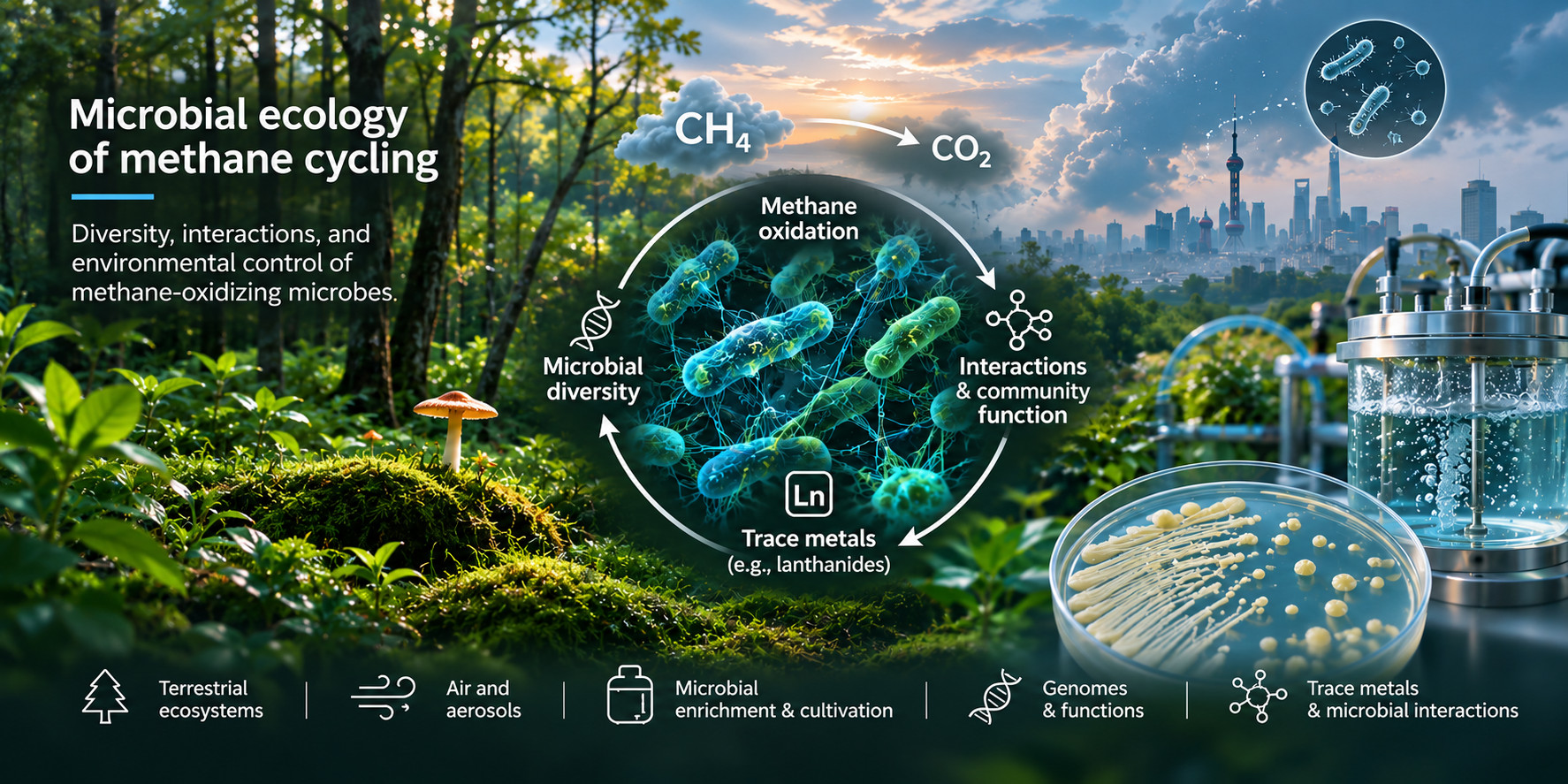
Illustrated overview of methane oxidation, microbial diversity, interactions and trace metals across forests, air and laboratory cultures
Illustrated overview of our research, from ecosystems to microbial interactions.

Where does methane-derived carbon go?

We study how lanthanides and other environmental conditions influence methane-consuming microbes, their partners, and the flow of carbon through microbial communities.

01 · MECHANISMS

Microbial interactions & carbon flow

How do trace metals alter methane oxidation and the exchange of methane-derived carbon? We use cultures, model communities and genomic approaches to investigate the partnerships behind ecosystem function.
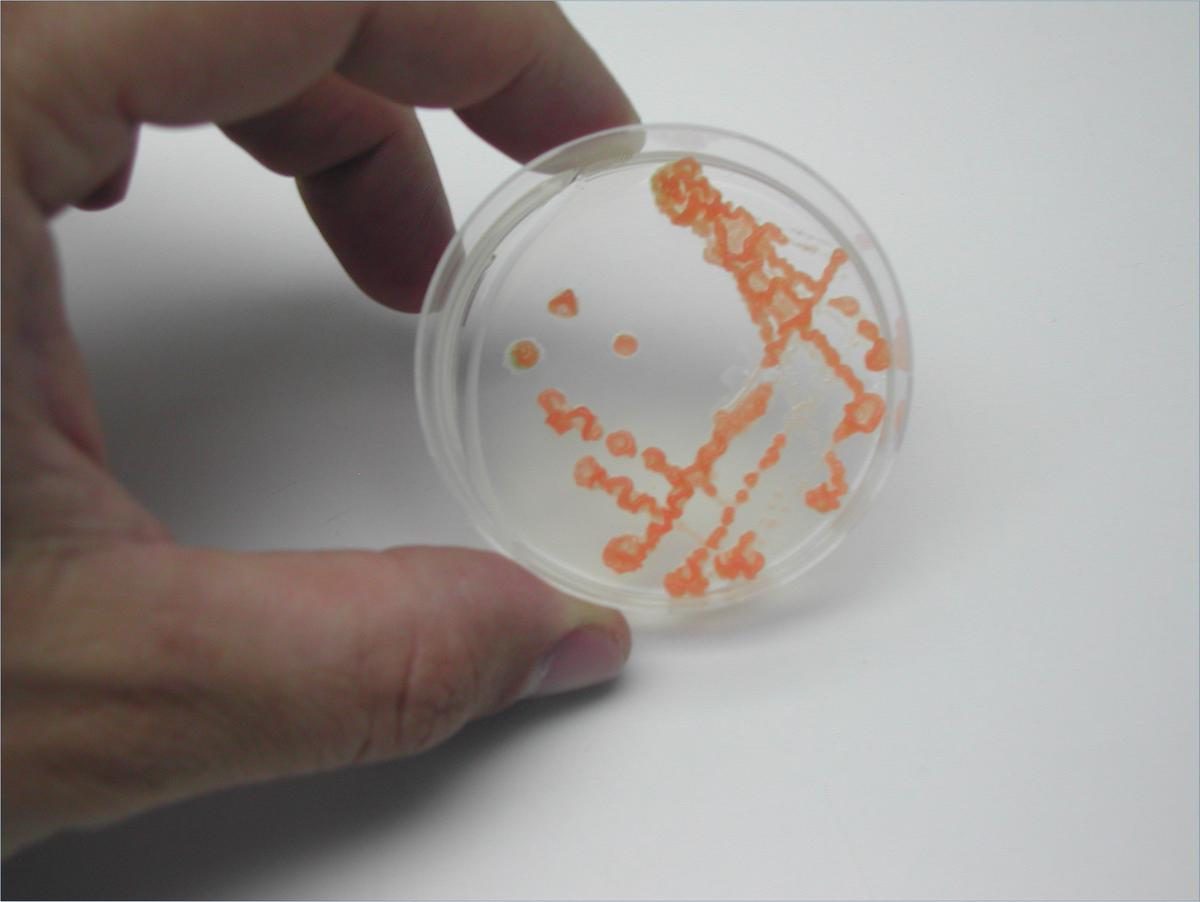
Orange methanotroph culture in a Petri dish
02 · ENVIRONMENTS

Methane uptake across ecosystems

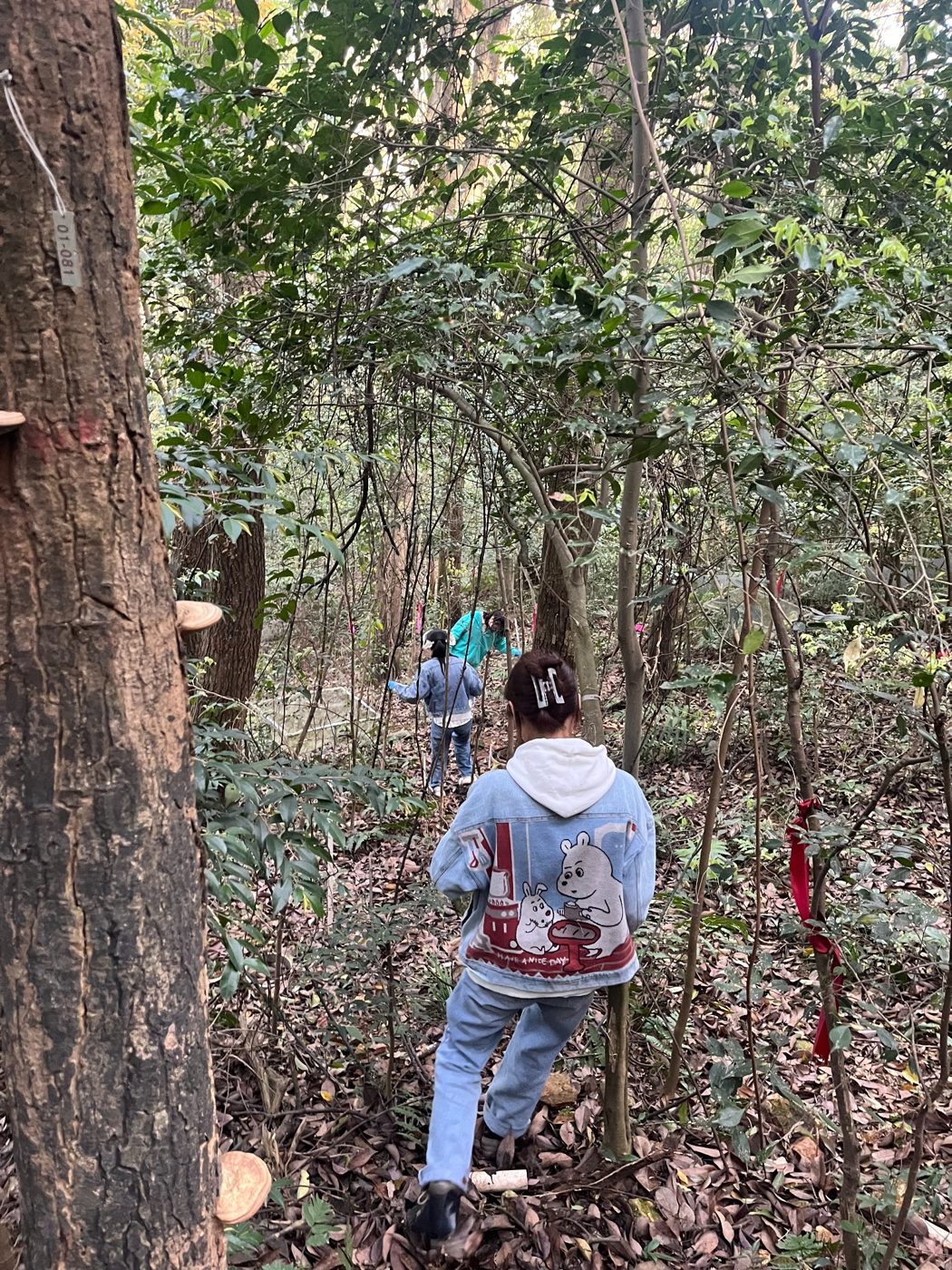
How do environmental conditions shape methane-consuming communities? We study methane cycling in forest soils, rice fields and lake sediments, alongside atmospheric methane uptake in caves and air.

Researchers conducting fieldwork in a forest
WHERE WE WORKForests · rice fields · lake sediments · caves · air
HOW WE STUDY THEMField sampling · cultivation · methane measurements · genomics

Curious about the microbes behind methane cycling?

Our work brings together field sampling, cultivation, methane measurements and community analysis. We welcome thoughtful enquiries from prospective students and collaborators.

If you would like to work with us, send a brief introduction, your research interests and the kind of project or collaboration you have in mind.

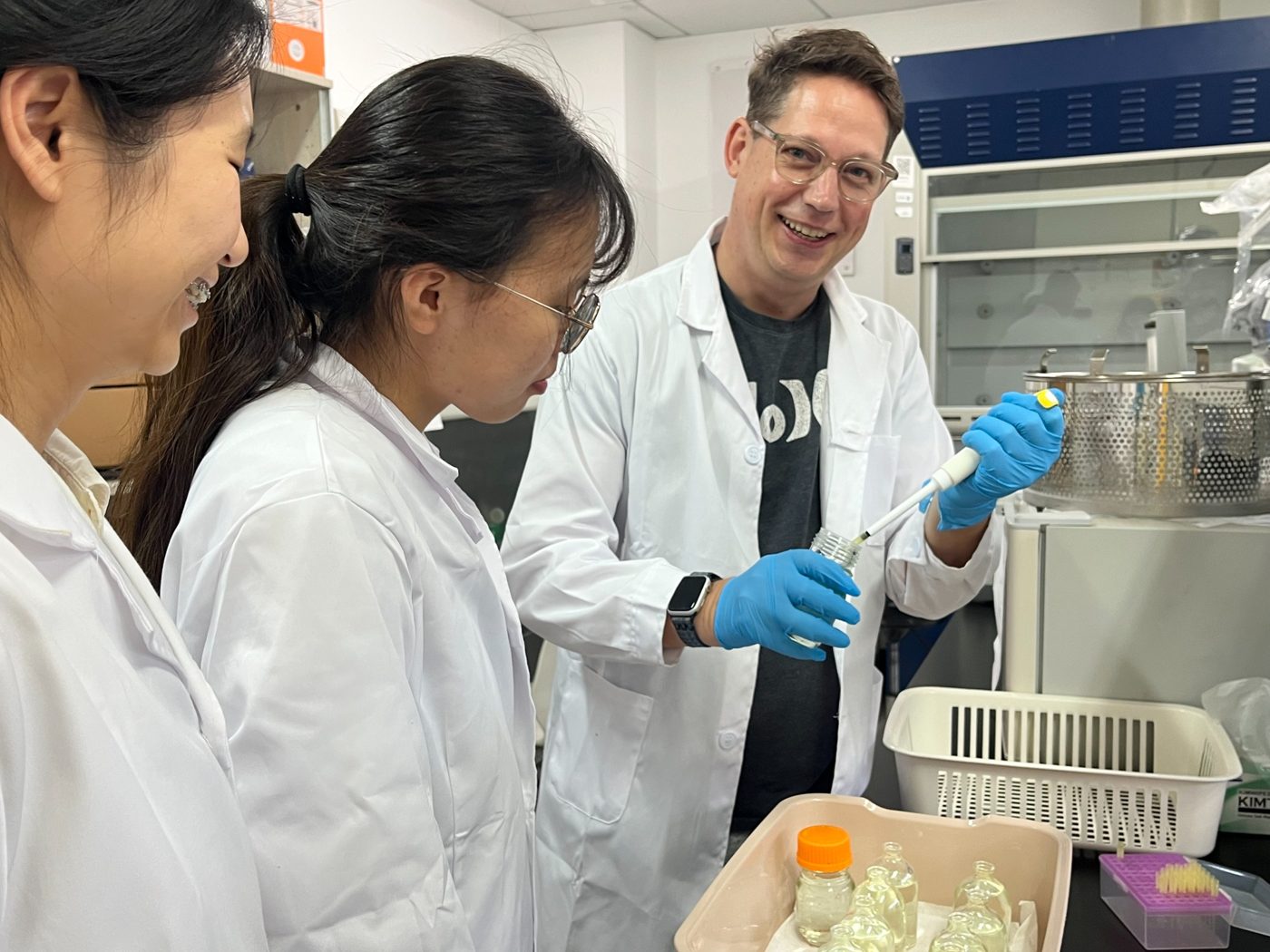
Sascha Krause and colleagues working together in the laboratory

Meet the people behind the work

Current members and alumni

Explore the research

Selected publications · Google Scholar · ORCID